

Do kittens shed? Yes, they do. Shedding happens as part of growing up. You might notice loose fur on your couch or clothes. This is normal. Kittens lose their soft baby fur and grow thicker adult coats.
-
Most kittens start shedding between 4 and 6 months old.
-
Shedding means your kitten is healthy and developing.
Key Takeaways
-
Kittens lose their baby fur when they are 3 to 6 months old. This shows they are growing up.
-
Grooming your kitten often helps control shedding. It also keeps their fur healthy. Brush your kitten a lot to get rid of loose hair. This also stops mats from forming.
-
Make sure your kitten drinks enough water. Give them good food to help their skin and fur stay healthy.
Do Kittens Shed? The Science Explained
Kitten Fluff vs. Adult Fur
When you first bring home a kitten, you notice how soft and fluffy their fur feels. This baby coat, often called "kitten fluff," keeps your kitten warm and protected during the early weeks of life. As your kitten grows, this fluff starts to change. The soft baby fur gets replaced by a thicker, more durable adult coat. This transition is the main reason you see more loose hair around your home.
You might wonder, do kittens shed more than adult cats? The answer depends on the stage of growth. Kittens shed the most when their bodies switch from baby fluff to adult fur. This process usually starts around three to six months of age. Some breeds, like the Devon Rex and Bombay, shed much less than others. The Devon Rex has a short, wavy coat that barely sheds, making it a good choice if you have allergies. The Bombay also sheds very little and only needs brushing every week or two.
Why Shedding Happens
So, why do kittens shed as they grow up? Shedding is a natural biological process. Your kitten's body needs to get rid of old or damaged hair to make room for new, healthy fur. This helps keep their skin and coat in top shape. Shedding also helps your kitten adjust to changes in temperature and environment.
Here are some main reasons kittens shed:
-
Their bodies replace baby fur with adult fur.
-
Some breeds naturally shed more or less.
-
Environmental factors, like temperature and humidity, play a big role.
-
Stress or health issues can increase shedding.
You might notice more shedding if your home is dry or if your kitten feels stressed. To help control shedding, try these tips:
-
Keep the air in your home at a comfortable humidity level. This prevents dry skin and extra shedding.
-
Make sure your kitten drinks enough water. Hydration keeps their skin and fur healthy.
-
Brush your kitten regularly. This spreads natural oils and removes loose hair.
-
Give your kitten a safe, cozy space. A calm environment reduces stress and shedding.
-
Watch the air quality in your home. Clean air helps your kitten breathe easier and keeps their coat healthy.
Sometimes, health problems can cause extra shedding. If you notice bald spots or your kitten seems itchy, talk to your vet. They can check for medical issues and help you find the right solution. A balanced diet also supports healthy skin and fur.
You may also wonder, do kittens shed because of viruses or illness? Certain illnesses, like feline viral rhinotracheitis, can cause shedding. Stress, changes in routine, or even new pets in the house can trigger more shedding in kittens who have recovered from illness.
Now, let's talk about grooming. Cats use their tongues to groom themselves. Their tongues have tiny spines called papillae that grab loose hair and dirt. The PawSwing Neo Self Grooming Cat House uses this same idea. Its grooming disc has soft silicone spikes that act like a cat's tongue. When your kitten walks through, the disc gently removes loose fur and keeps their coat clean. This design makes grooming safe, easy, and stress-free for both you and your kitten.
Tip: If you want to make grooming even easier, try a tool that mimics your cat's natural grooming habits. The PawSwing Neo Self Grooming Cat House does just that, helping you manage shedding right at the source.
So, do kittens shed? Yes, they do. Shedding is a normal part of growing up. By understanding why it happens and how to manage it, you can keep your kitten happy and your home a little less hairy.
Shedding Timeline and What to Expect
When Shedding Starts
You might wonder when your kitten will begin to shed. Most kittens start losing their baby fur between 3 and 6 months old. This is a big milestone. During this time, you’ll notice more loose hair on your furniture and clothes. Here’s what you can expect:
-
Kittens typically start shedding their baby fur around the age of 3 to 6 months.
-
This period marks the transition from their soft baby coat to a more robust adult coat.
-
Some breeds shed more than others, so your kitten’s timeline may look different.
-
Seasonal changes play a role. In spring, kittens shed their heavy winter undercoat. In autumn, they lose their light summer coat to prepare for winter.
-
Indoor cats may shed year-round because climate control confuses their biological clock.
Tip: If you see sudden or heavy shedding, check for bald spots or skin irritation. These signs may mean your kitten needs a vet visit.
Changes in Coat Texture
As your kitten grows, you’ll notice their fur changing. The soft, downy layer they had as babies gets replaced by a denser, sleeker adult coat. This isn’t just about looks. The new coat helps protect your kitten and shows they’re maturing. The transformation usually happens between 3 and 6 months, but genetics and breed can affect the timing.
If you spot abnormal shedding patterns, especially in multi-cat homes, pay attention. Chronic or high-intensity shedding can signal health risks. Here’s what you should do if you notice something unusual:
-
Get your kitten allergy-tested.
-
Feed a vet-approved diet for healthy skin and fur.
-
Brush your kitten’s coat often.
-
Bathe your kitten regularly to remove dander and dead hair.
Kitten Shedding Care Solutions
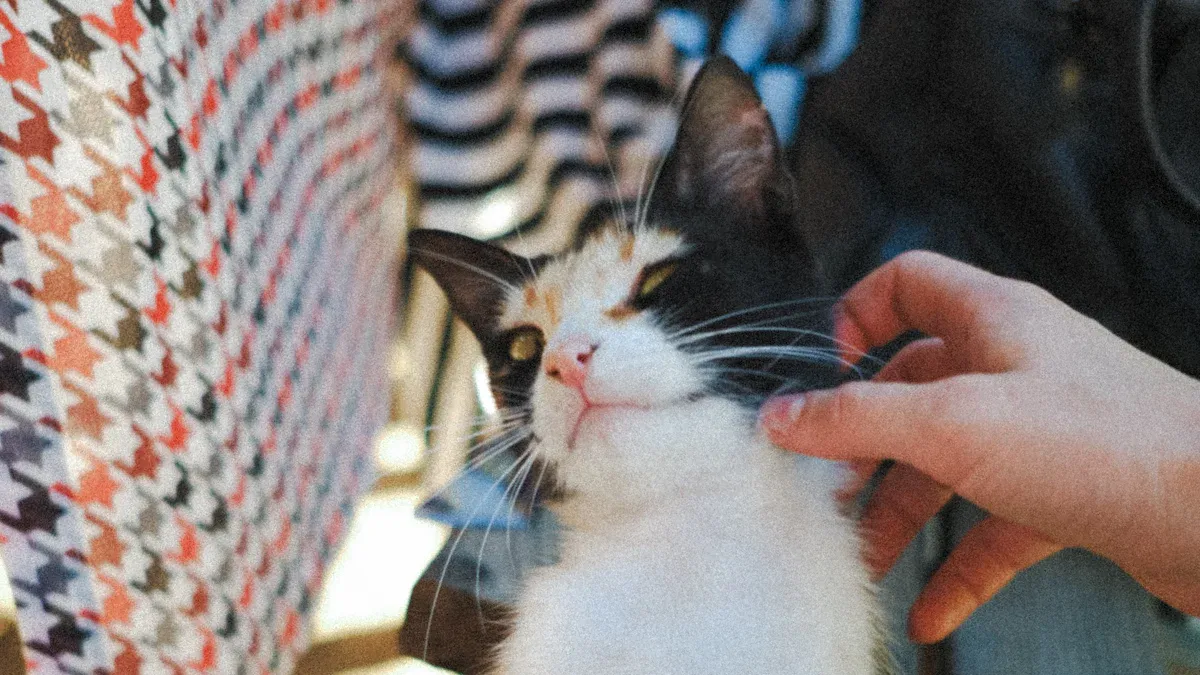
Grooming Tips for Shedding Kittens
You might ask, why does regular grooming matter when you notice your kitten shedding? Grooming helps you control loose fur and keeps your kitten’s coat healthy. When you brush your kitten, you remove dead hair before it lands on your couch. You also prevent mats and tangles, which can make your kitten uncomfortable.
-
Brush your kitten often. Short-haired kittens need weekly brushing. Long-haired kittens need daily care.
-
Use a gentle brush that fits your kitten’s coat type.
-
Give your kitten a bath with pet-safe shampoo if you notice extra shedding.
-
If your kitten has a thick or double coat, consider professional grooming.
|
Cat Type |
Grooming Frequency |
|---|---|
|
Short-Haired |
Weekly brushing |
|
Long-Haired |
Daily grooming |
Tip: Start grooming early. Your kitten will get used to the routine and enjoy the attention.
Nutrition and Health Checks
Why do kittens shed more sometimes? Poor nutrition or health problems can cause extra shedding. You need to feed your kitten a balanced diet with enough protein and healthy fats. These nutrients help your kitten grow a strong, shiny coat.
Regular vet visits help you catch health issues early. Your vet can spot allergies or skin problems that lead to shedding. They may suggest special food or supplements to support your kitten’s skin and fur.
PawSwing Neo for Easy Grooming
Why choose PawSwing Neo for your kitten? This self-grooming cat house uses a bionic design that mimics your cat’s natural grooming motion. When your kitten walks through, the grooming disc gently removes loose fur from root to tip. You save time and reduce stress for both you and your kitten.
PawSwing Neo helps allergy sufferers by trapping loose hair before it spreads. Busy professionals love it because it cuts down on grooming chores. After two weeks of use, many owners notice less shedding around the house.
Note: PawSwing Neo makes grooming easy, efficient, and enjoyable for you and your kitten.
Shedding shows your kitten is growing up healthy. You can make this stage easier with regular grooming and the right tools.
-
Grooming products help prevent skin problems.
-
Hydrating solutions boost coat health.
With care and PawSwing Neo, your kitten’s coat will thrive.
FAQ
Why does my kitten shed more in certain seasons?
You see more shedding in spring and fall. Your kitten’s coat changes to match the weather. This helps keep your kitten comfortable all year.
Why should I groom my kitten during shedding?
Grooming removes loose fur before it spreads. You help your kitten avoid mats and hairballs. Regular brushing keeps your home cleaner, too.
Why is PawSwing Neo recommended for shedding kittens?
PawSwing Neo mimics your cat’s natural grooming. You save time and reduce stress. Your kitten enjoys a gentle, self-driven grooming experience.